
Viruses
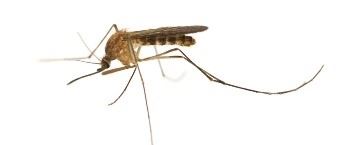 West Nile Virus
West Nile virus (WNV) is the leading cause of mosquito-borne disease in the continental United States. It is most commonly spread to people by the bite of an infected mosquito. Cases of WNV occur during mosquito season, which starts in the summer and continues through fall. There are no vaccines to prevent or medications to treat WNV in people. Fortunately, most people infected with WNV do not feel sick. About 1 in 5 people who are infected develop a fever and other symptoms. About 1 out of 150 infected people develop a serious, sometimes fatal, illness. You can reduce your risk of WNV by using insect repellent and wearing long-sleeved shirts and long pants to prevent mosquito bites.
- Prevention
- Symptoms, Diagnosis, and Treatment
- Transmission
- Statistics and Maps
- West Nile Virus and Dead Birds
- Mosquito Control
- For Healthcare Providers
- Resources
At-A-Glance
- Mosquitoes and Hurricanes
- Communication Resources
- West Nile Virus and Other Nationally Notifiable Arboviral Diseases-United States, 2017
- Monitoring and Controlling West Nile Virus: Are Your Prevention Practices in Place? (PDF)
- Mosquito Control
- Everyone can help…
- Activity and Surveillance
- Check where WNV is active…
- Feeling feverish?
- Could it be WNV?
Content provided and maintained by the U.S. Center for Disease Control and Prevention (CDC). Please see our system usage guidelines and disclaimer.
Zika Virus
Additional Information:
- Symptoms, Testing, and Treatment
- For Pregnant Women
- For Health Care Providers
- For Travelers, Parents, and Other Groups
- Communication Resources
- Mosquito Control
- Areas with Zika
Mosquitoes and Hurricanes
Men and Zika
What's your Zika IQ?
Pregnant women
Areas with Risk of Zika
- About Zika
- What everyone needs to know about the Zika virus.
- Symptoms, Testing, and Treatment
- The most common symptoms of Zika are fever, rash, headache, joint pain, red eyes, and muscle pain.
- Prevention and Transmission
- Zika is spread mostly by the bite of an infected mosquito. Prevent Zika by avoiding mosquito bites.
- Health Effects and Risks
- Zika can cause birth defects and is linked to Guillain-Barré syndrome.
- Pregnancy
- Essential information about Zika for pregnant women and couples interested in conceiving.
- Zika in the U.S.
- Stay informed about Zika in the United States.
- For Healthcare Providers
- Up-to-date guidance, resources, and training for providers evaluating and caring for patients with Zika.
- Statistics and Maps
- CDC has a surveillance system for collecting data on Zika virus cases.
- Mosquito Control
- Prevent the spread of Zika by controlling mosquitoes in and around your home and community.
Information for Specific Groups
- Pregnancy
- Women Trying to Become Pregnant
- Healthcare Providers
- Travelers
- Laboratories
- State and Local Health Departments
- Workers (NIOSH)
- Blood and Tissue Collection Centers
- Community Partners
- Men
- Learn the top 5 things you need to know about Zika.
- More
- Scientific Resources
- MMWR Zika Reports
Resources and Publications
Communication Resources
For Travelers
In 2018 and 2019, no local mosquito-borne Zika virus transmission has been reported in the continental United States.
If you are traveling outside of the continental United States, see Zika Travel Information to learn about your destination.
Prevent mosquito bites when traveling:
- Use Environmental Protection Agency (EPA)-registered insect repellent to protect yourself and your family from mosquito bites.
- Wear long-sleeved shirts and long pants
- Treat clothing and gear with permethrin or buy permethrin-treated clothing and gear.
To receive email updates about this page, enter your email address:
Email Address
Content provided and maintained by the U.S. Centers for Disease Control and Prevention (CDC). Please see our system usage guidelines and disclaimer.